In September, the scientific journals Oil Shale and Proceedings of the Estonian Academy of Sciences were published.
ESTONIAN ACADEMY
PUBLISHERS
PUBLISHERS

eesti teaduste
akadeemia kirjastus
akadeemia kirjastus
-
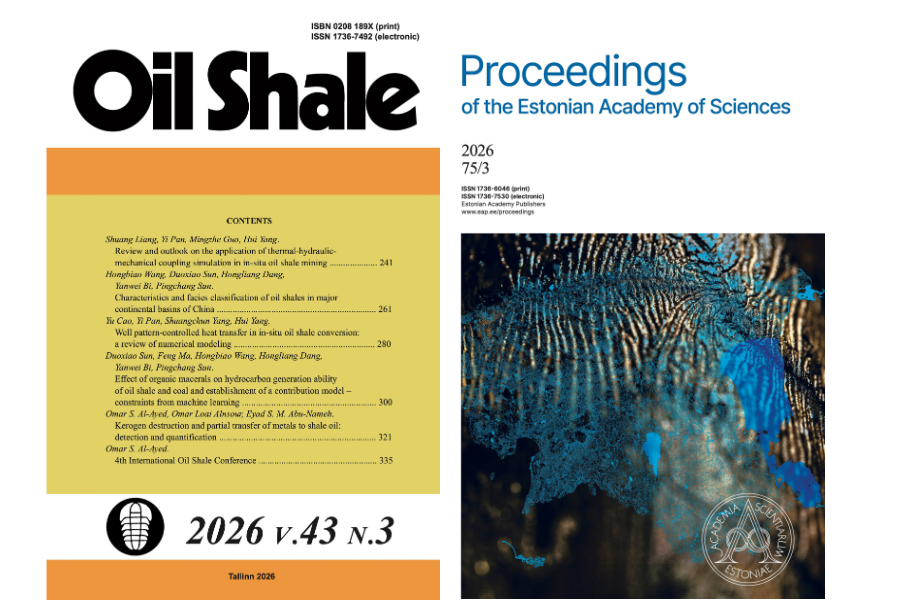
September 2026: New issues of Oil Shale and PEAS published
In September, the scientific journals Oil Shale and Proceedings of the Estonian Academy of Sciences were published.
-
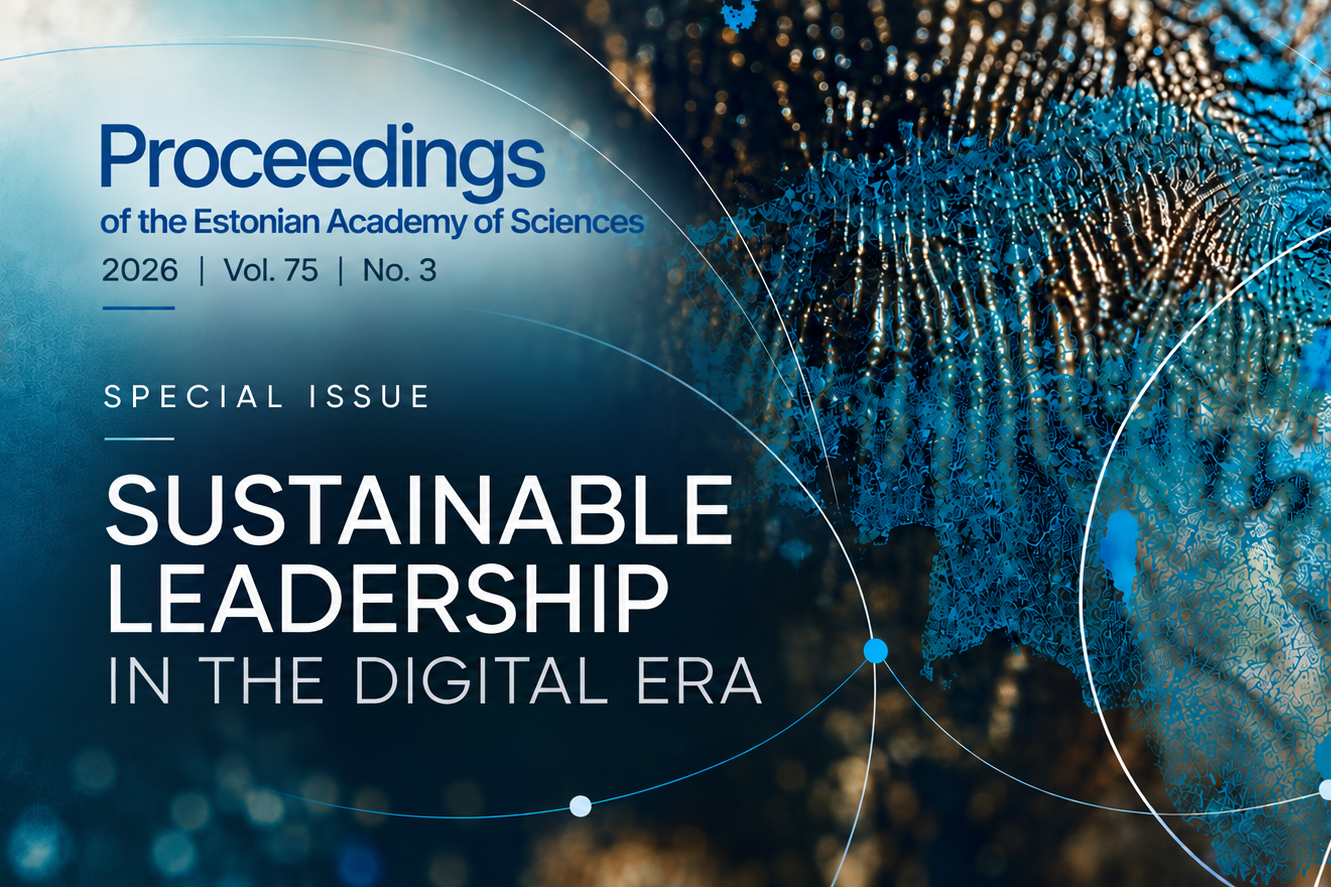
PEAS special issue published in collaboration with TalTech focuses on sustainable management in the digital era
“Leaders in the digital era are increasingly expected to understand how technological change affects people, organisational culture, and society more broadly,” says Ojasoo.
-
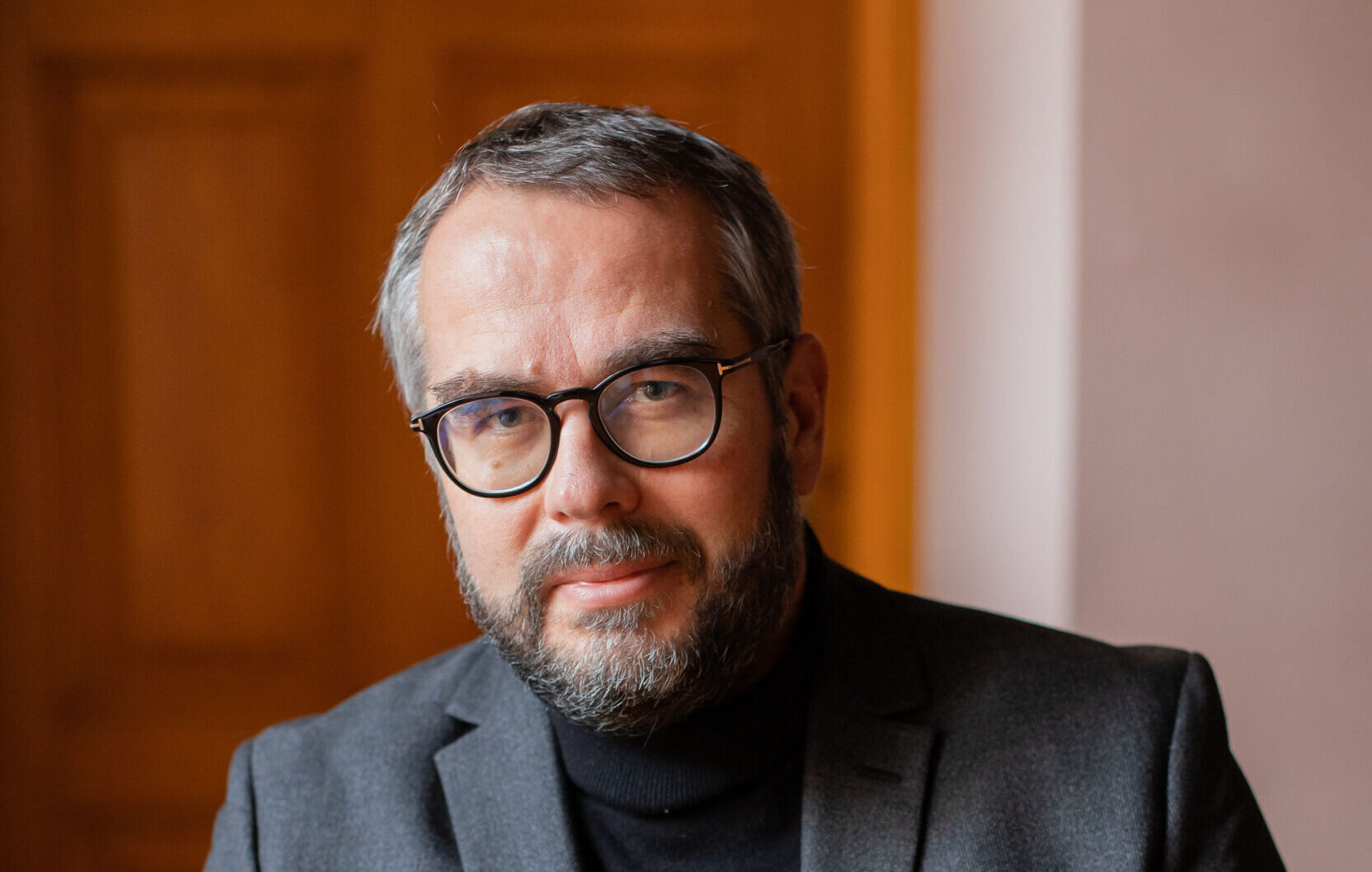
75 years of Estonian academic publishing: Marek Tamm on what comes next
“A good editorial team does more than act as a gatekeeper – it also helps make an article better,” says Marek Tamm, a long-standing figure in academic publishing, Vice President of the Estonian Academy of Sciences, and Professor of Cultural History at Tallinn University.
-
Estonian Journal of Archaeology authors can now use the SciFlow platform
Estonian Academy Publishers is introducing the SciFlow platform to simplify preparation and typesetting of research articles and facilitate collaboration between authors and copyeditors. The Estonian Journal of Archaeology is the first journal to adopt the platform.
-
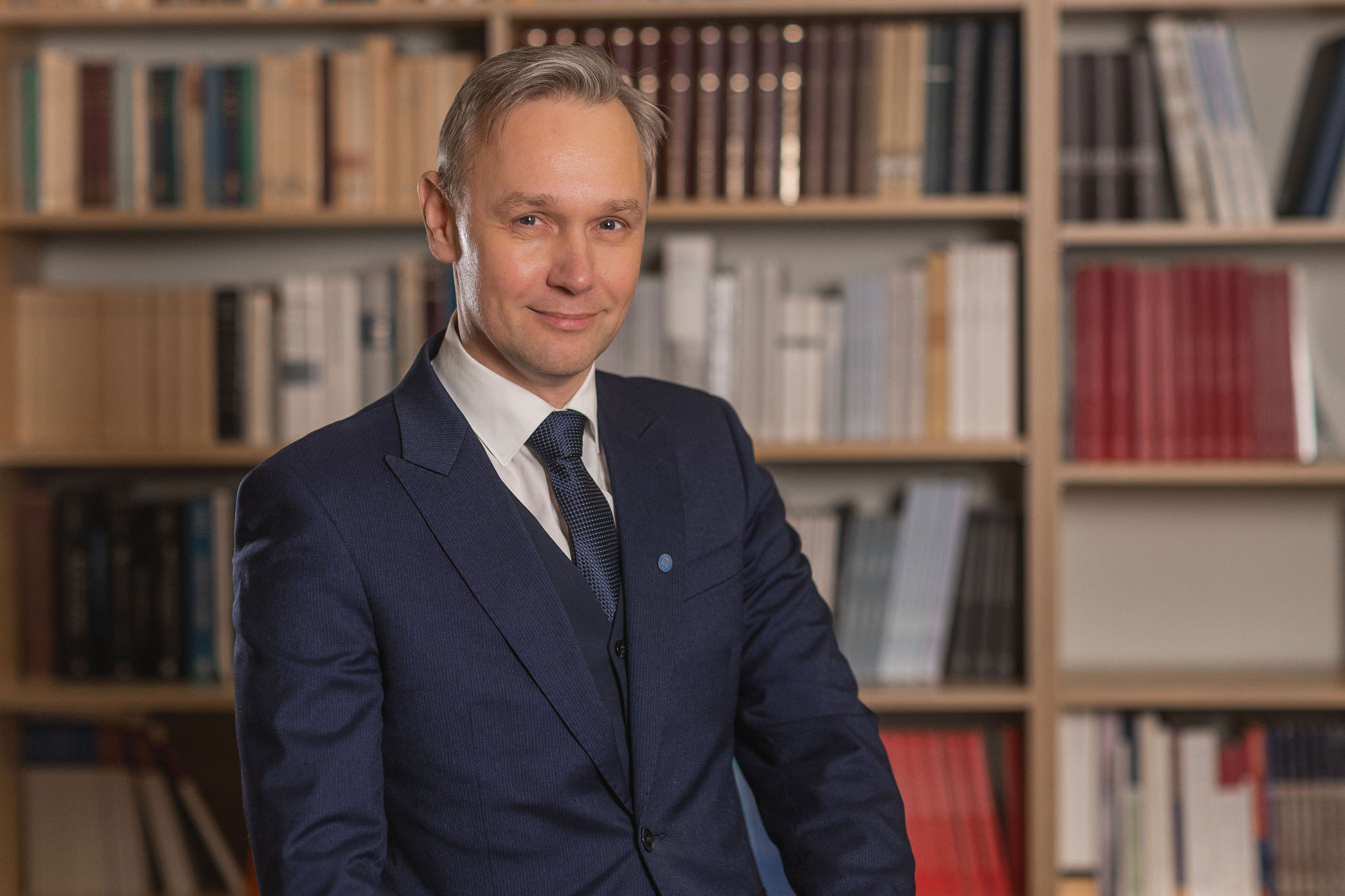
Rainis Haller appointed as new Editor-in-Chief of Proceedings of the Estonian Academy of Sciences
The Estonian Academy Publishers is pleased to announce that Rainis Haller has been appointed as the new Editor-in-Chief of Proceedings of the Estonian Academy of Sciences (PEAS), effective from 5 May 2026.
-
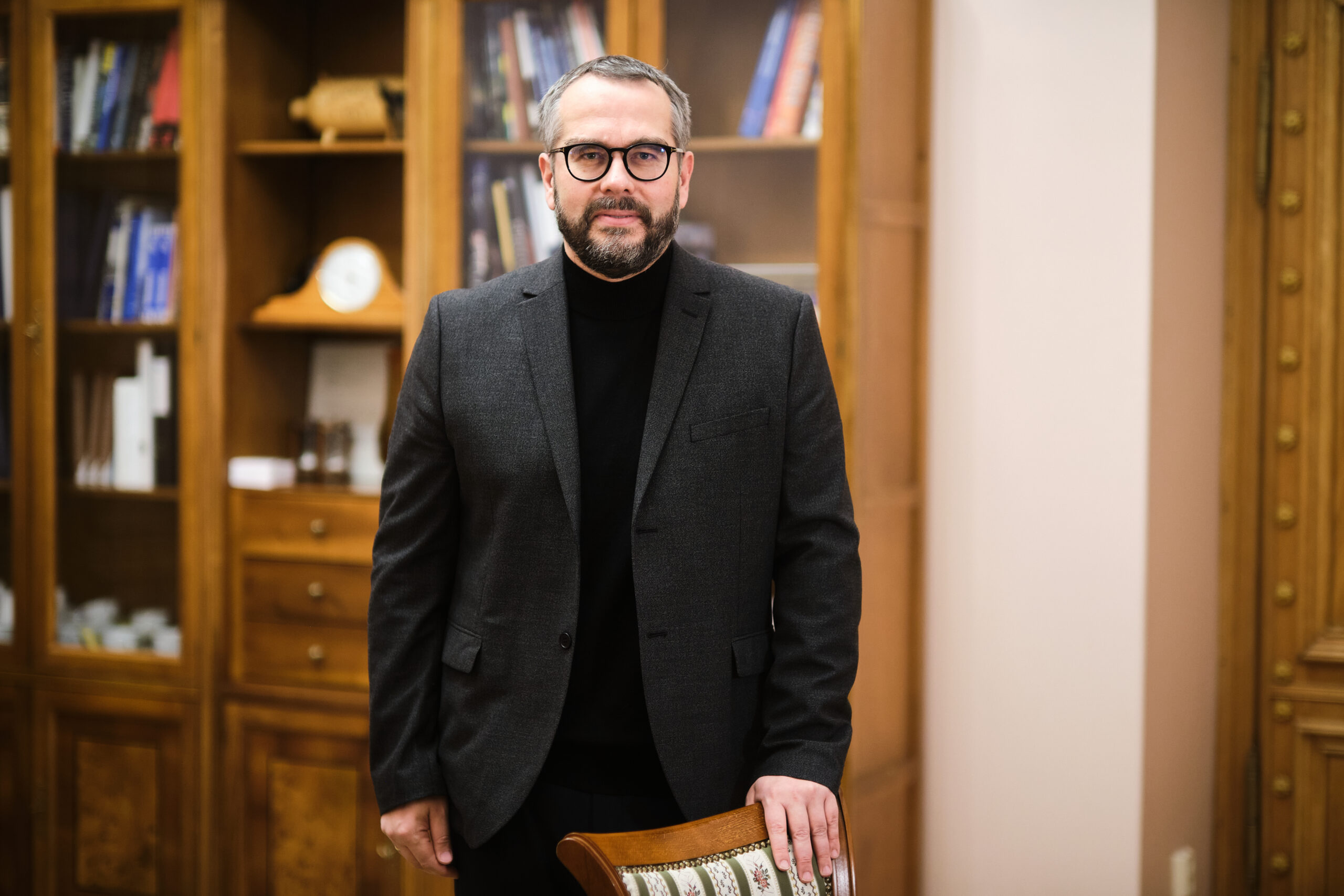
Estonian Academy of Sciences appoints new Publishing Council
On 5 May 2026, the Presidium of the Estonian Academy of Sciences confirmed the new composition of the Publishing Council of the Estonian Academy of Sciences.
-
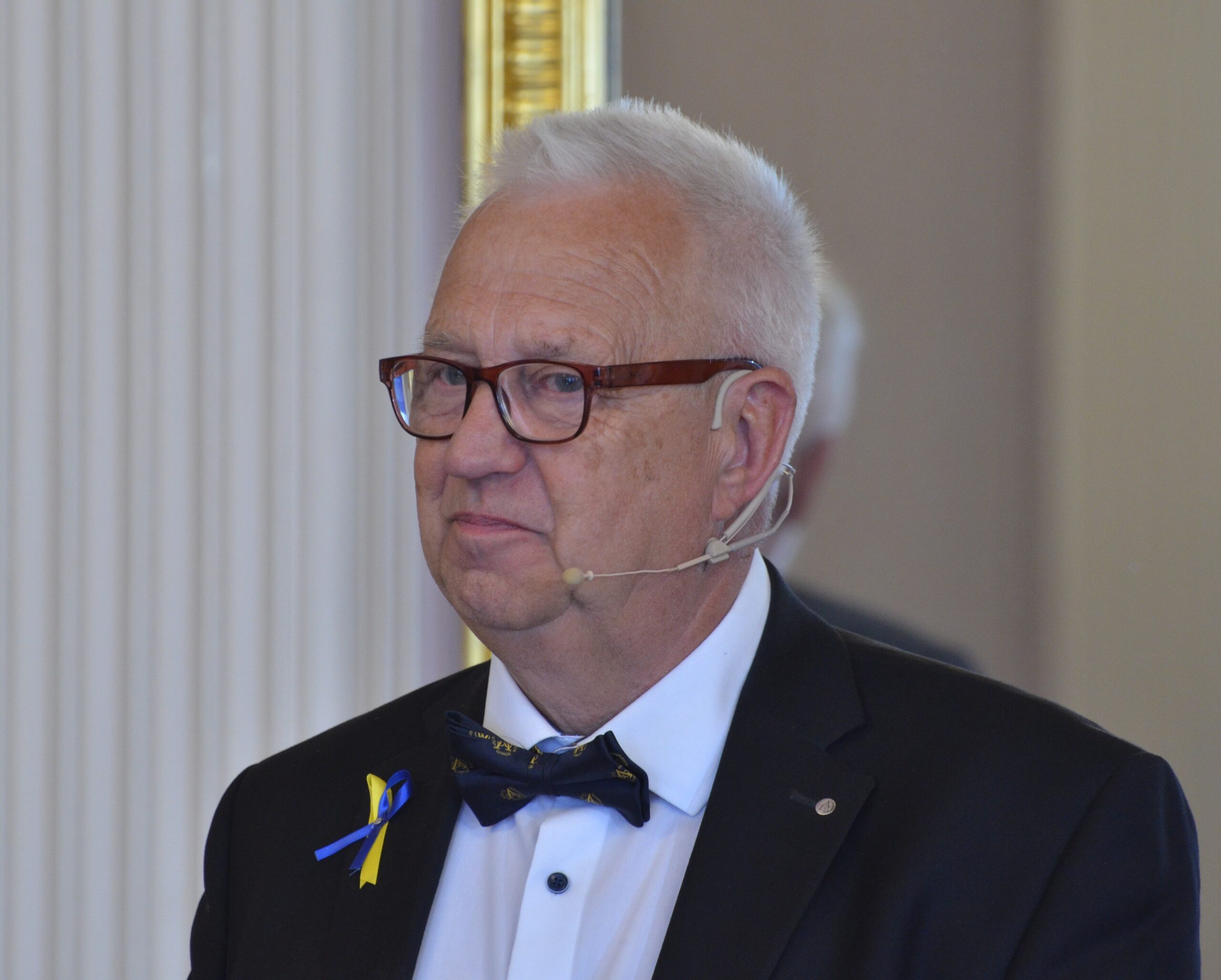
Jaak Järv passes the baton after nearly eighteen years at the helm of Proceedings of the Estonian Academy of Sciences
On 30 April 2025, Professor Jaak Järv’s tenure as Editor-in-Chief of Proceedings of the Estonian Academy of Sciences ended.
-

Estonian Journal of Earth Sciences welcomes academician Kalle Kirsimäe as new editor-in-chief
The Board of the Estonian Academy of Sciences confirmed on January 23 the appointment of academician Kalle Kirsimäe as the new editor-in-chief of the Estonian Journal of Earth Sciences.
-
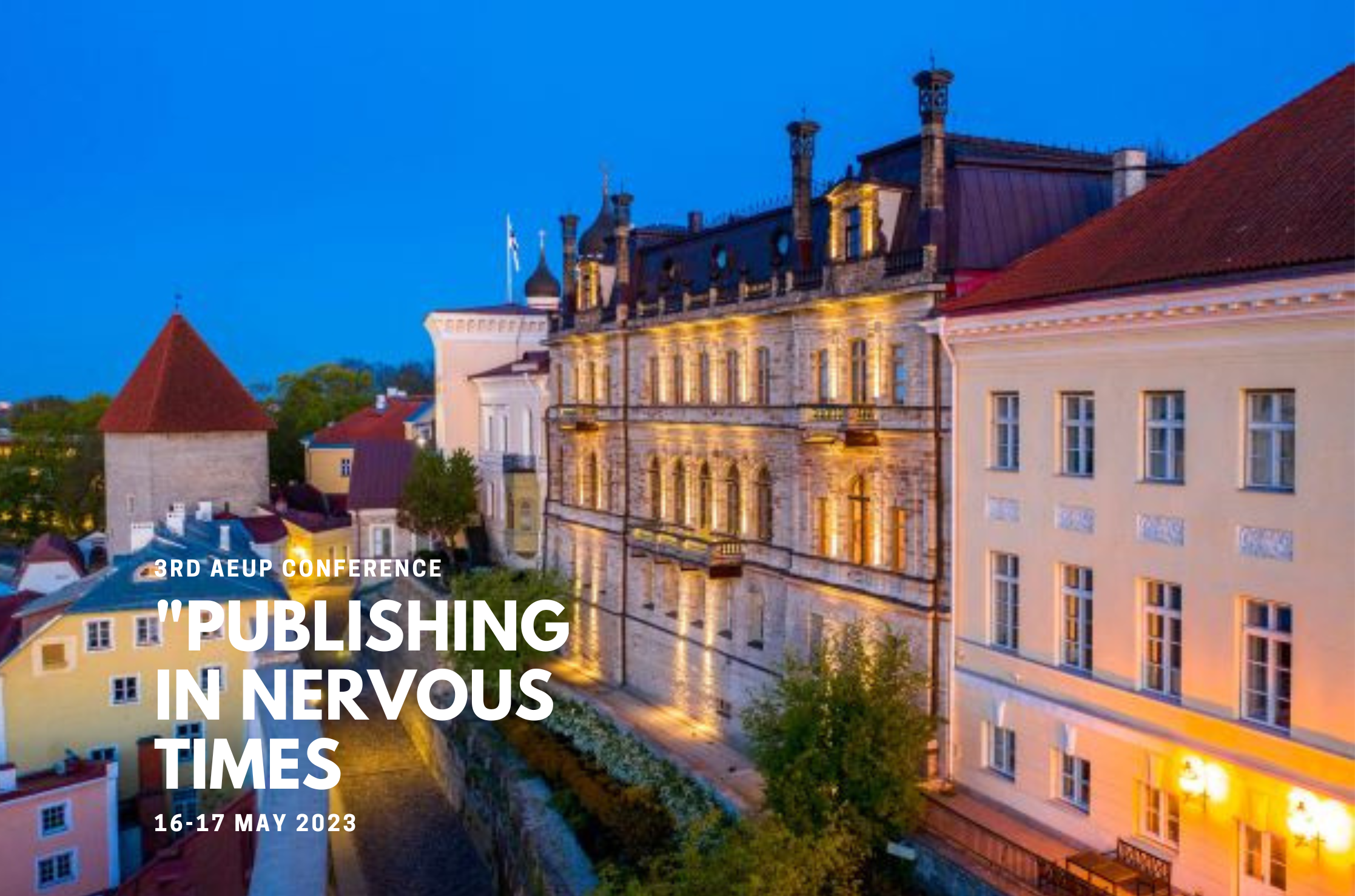
3rd AEUP CONFERENCE “Publishing in nervous times”, 16-17 May 2023
The 2023 AEUP conference “Publishing in Nervous Times” brought European scholarly publishers together in Tallinn on 16–17 May.
-
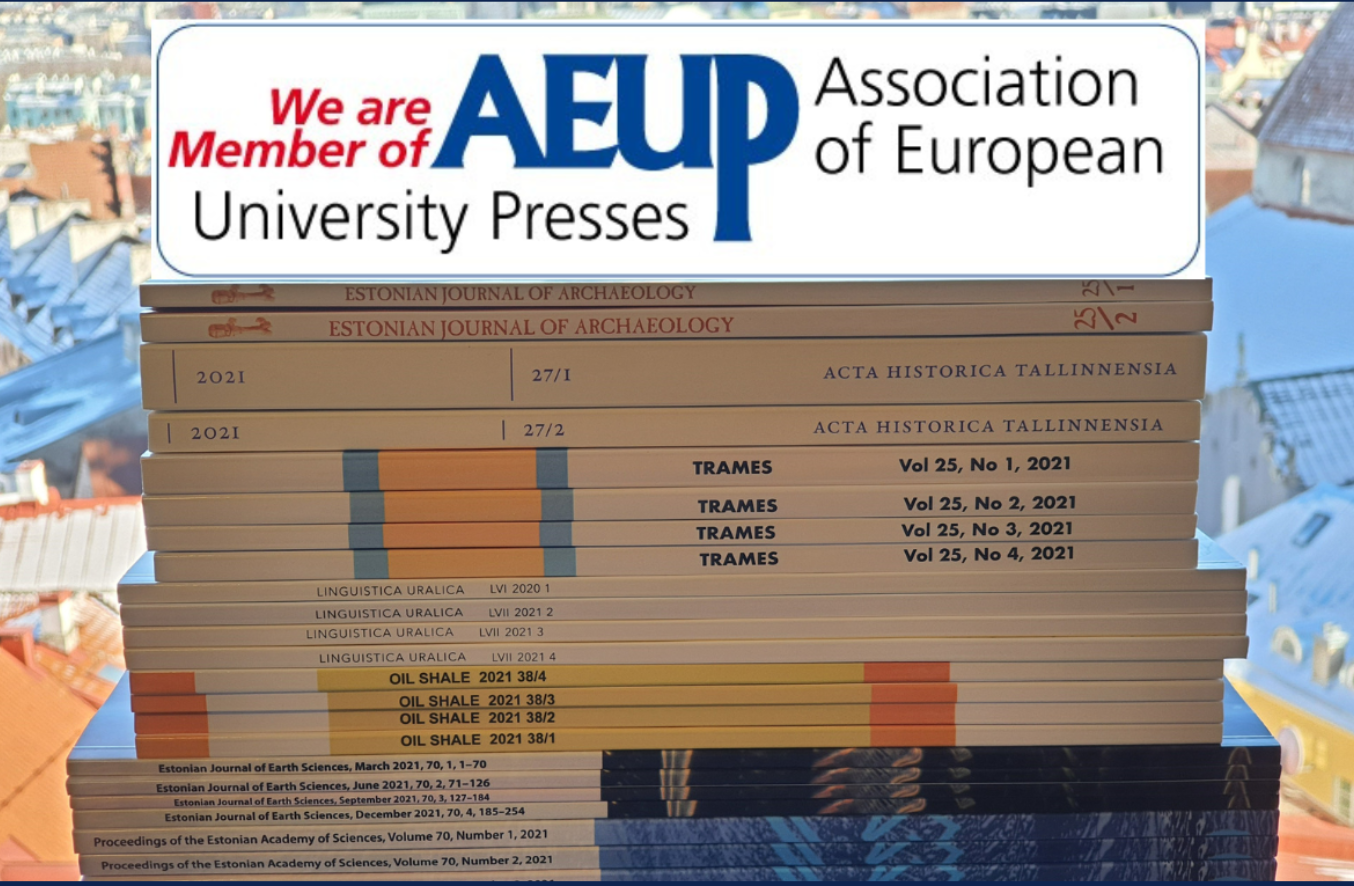
Estonian Academy Publishers is now a full member of the Association of European University Presses
Estonian Academy Publishers is a member of the Association of European University Presses (AEUP), a network of scholarly publishers across Europe.
-
Conference “Open access challenges” („Avatud juurdepääsu väljakutsed”) at the Estonian Academy of Sciences on May 26, 2022.
In 2021, the journal Proceedings of the Estonian Academy of Sciences celebrated the publication of its 70th volume.
-

Statement of the Council for the Estonian Academy Publishers in relation to the crisis in Ukraine
Manuscripts from Russian and Belarusian institutions are temporarily suspended, except for Linguistica Uralica.
|
|